
The artisan economy is experiencing a remarkable transformation, driven by a new generation of women entrepreneurs who are turning their creativity into thriving businesses. These “craftpreneurs” combine traditional craftsmanship with entrepreneurial thinking, proving that handmade products can compete in an increasingly digital and global marketplace. By embracing innovation while preserving cultural heritage, women artisans are creating sustainable livelihoods and inspiring others to do the same.
Across Europe and beyond, women have long played a central role in preserving traditional crafts such as weaving, embroidery, pottery, jewellery-making, candle-making, and textile arts. These skills have often been passed down through generations, carrying stories, identities, and cultural traditions. Today, however, many women are taking these practices one step further—transforming them from personal hobbies or family traditions into successful business ventures.
The growth of digital technologies has played a key role in this shift. Social media platforms, online marketplaces, and digital marketing tools have removed many of the barriers that once limited artisans to local markets. A handmade product created in a small village can now reach customers across Europe or even around the world. By building an online presence, women artisans can showcase not only their products but also the stories, values, and traditions behind them, creating authentic connections with customers who appreciate craftsmanship and sustainability.
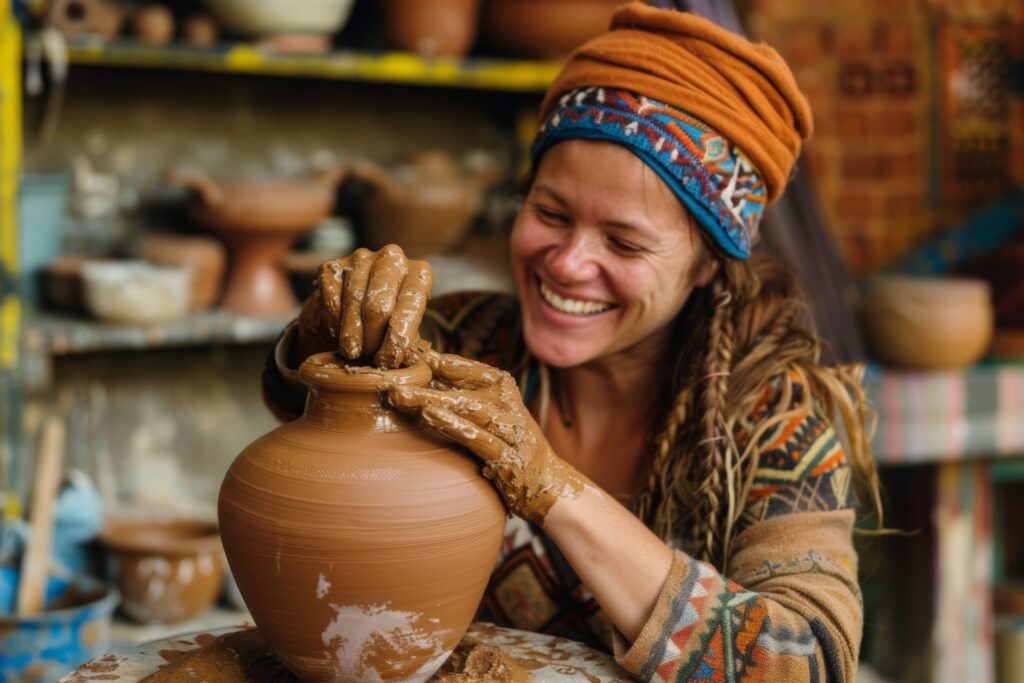
However, becoming a successful craftpreneur requires more than creative talent. It also demands business knowledge, digital literacy, and confidence. Understanding branding, pricing, customer engagement, product photography, and online sales has become just as important as mastering traditional techniques. This is why initiatives like Craft2Success are so valuable. By providing women artisans with training in digital skills, entrepreneurship, storytelling, and e-commerce, the project equips participants with the practical tools needed to grow their creative businesses.
The rise of women craftpreneurs also has a wider social impact. Women-led artisan businesses contribute to local economies, preserve cultural heritage, and promote more sustainable forms of production and consumption. Many women entrepreneurs reinvest their income into their families and communities, creating positive ripple effects that extend far beyond their own businesses. At the same time, consumers increasingly seek products that are handmade, ethical, and environmentally conscious, making artisan entrepreneurship more relevant than ever.
The future of the artisan economy belongs to those who can successfully combine tradition with innovation. Women craftpreneurs are demonstrating that creativity, resilience, and digital skills can work together to build sustainable businesses while protecting cultural heritage. As more women gain access to education, technology, and entrepreneurial support, they are not only shaping the future of handmade craftsmanship—they are redefining what it means to be an entrepreneur in the creative economy.
Get more updates on the Craft2Success project through our social media & website: Facebook, Instagram, website
Comments are closed